Local Tree Removal in Evansville, Indiana
Tree Removal Services in Evansville, IN
Need a tree taken down? Tell us about your property and request an estimate. Get a Free Estimate
Local Tree Removal in Evansville, Indiana
Need a tree taken down? Tell us about your property and request an estimate. Get a Free Estimate
When a tree becomes unsafe, grows too close to your home, or gets damaged in a storm, you need a clear plan for removing it. Evansville Tree Removal Services helps homeowners, landlords, and property managers deal with trees that have become a problem. From a single unwanted tree in the backyard to a large tree threatening a building, we approach each job with attention to the surrounding property and the risks involved.
We serve Evansville, Indiana, and nearby communities including Newburgh, Boonville, Chandler, Mount Vernon, and Henderson, Kentucky. Our work focuses on tree removal, emergency tree removal, large tree removal, hazardous tree removal, storm damage tree cleanup, and tree cutting and felling. If you are unsure whether a tree needs to come down, we can discuss the condition, location, access, and practical options before work begins.
Evansville has a mix of established neighborhoods, older shade trees, growing subdivisions, and properties with plenty of open ground. That variety makes tree removal different from one address to the next. A mature tree behind a house near the West Side can require a very different approach from a tree standing in an open yard outside the city. We believe the right way to handle a removal starts with understanding the tree, the property, and the people who use the space.
Our company story is rooted in a straightforward idea: property owners should be able to ask questions, understand the work being proposed, and know what to expect. We look at where branches and trunk sections can safely go, what needs protection, how equipment may reach the tree, and what cleanup is included. We want customers to feel informed rather than rushed into a decision.
More about us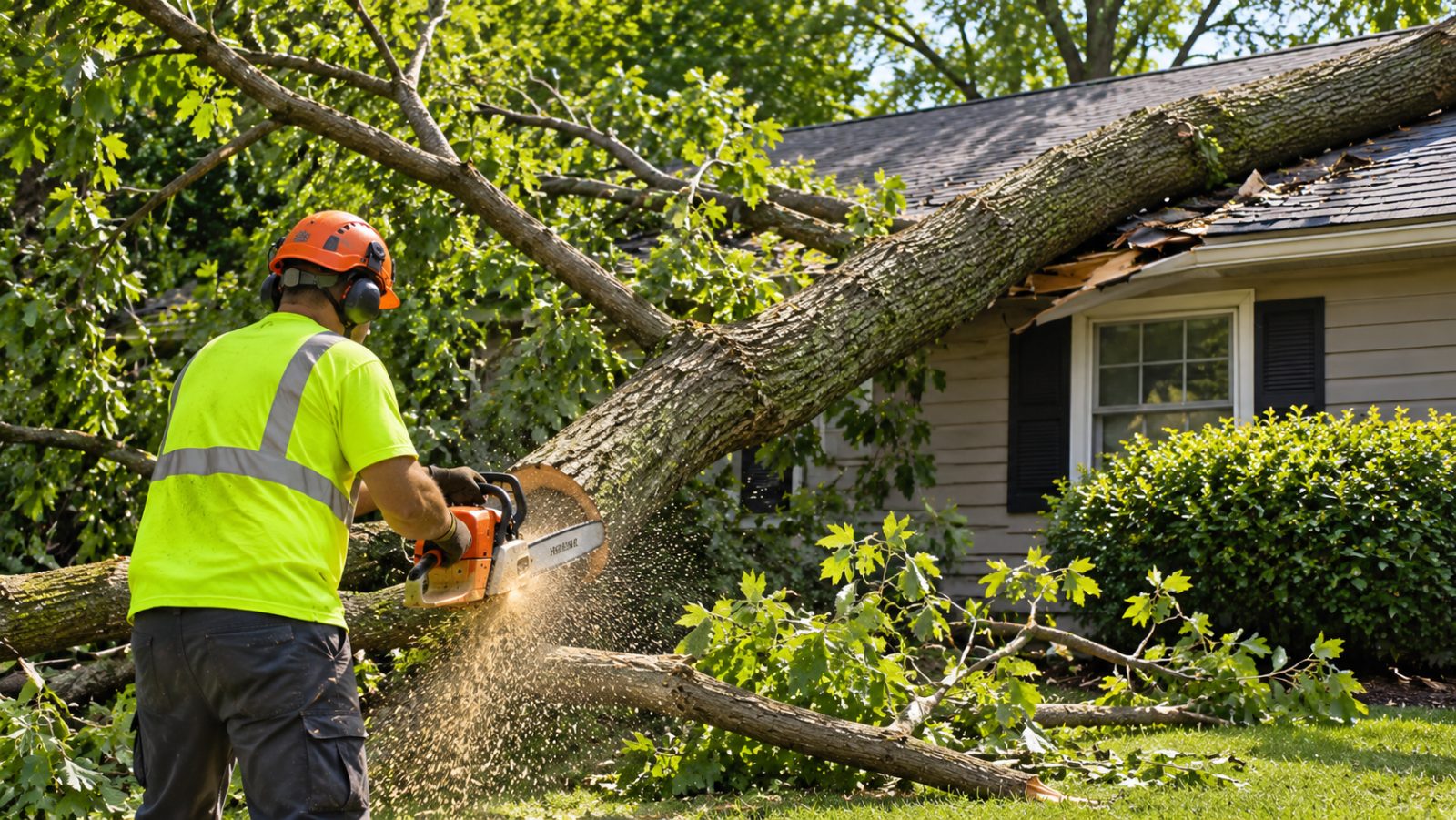
Our tree removal work covers routine removals, difficult trees, storm damage, and situations where a tree may threaten people or property. Each service starts with understanding the problem and choosing an appropriate removal method.
Practical tree removal for unwanted, damaged, or unsafe trees on Evansville-area properties.
Learn more →Help planning urgent removal of fallen, broken, or unstable trees after unexpected damage.
Learn more →Planned removal of mature, oversized trees near homes, buildings, and other obstacles.
Learn more →Removal planning for dead, damaged, unstable, or structurally concerning trees.
Learn more →Cleanup of fallen trees, broken limbs, and scattered tree debris after severe weather.
Learn more →Planned tree cutting and directional felling where site conditions allow.
Learn more →Trees add shade, character, and value to a yard, but there are times when keeping one is no longer practical. A tree may be dead, leaning toward a structure, interfering with construction, or growing in a location where its roots and branches create ongoing concerns. We help property owners evaluate those situations and plan the next step.
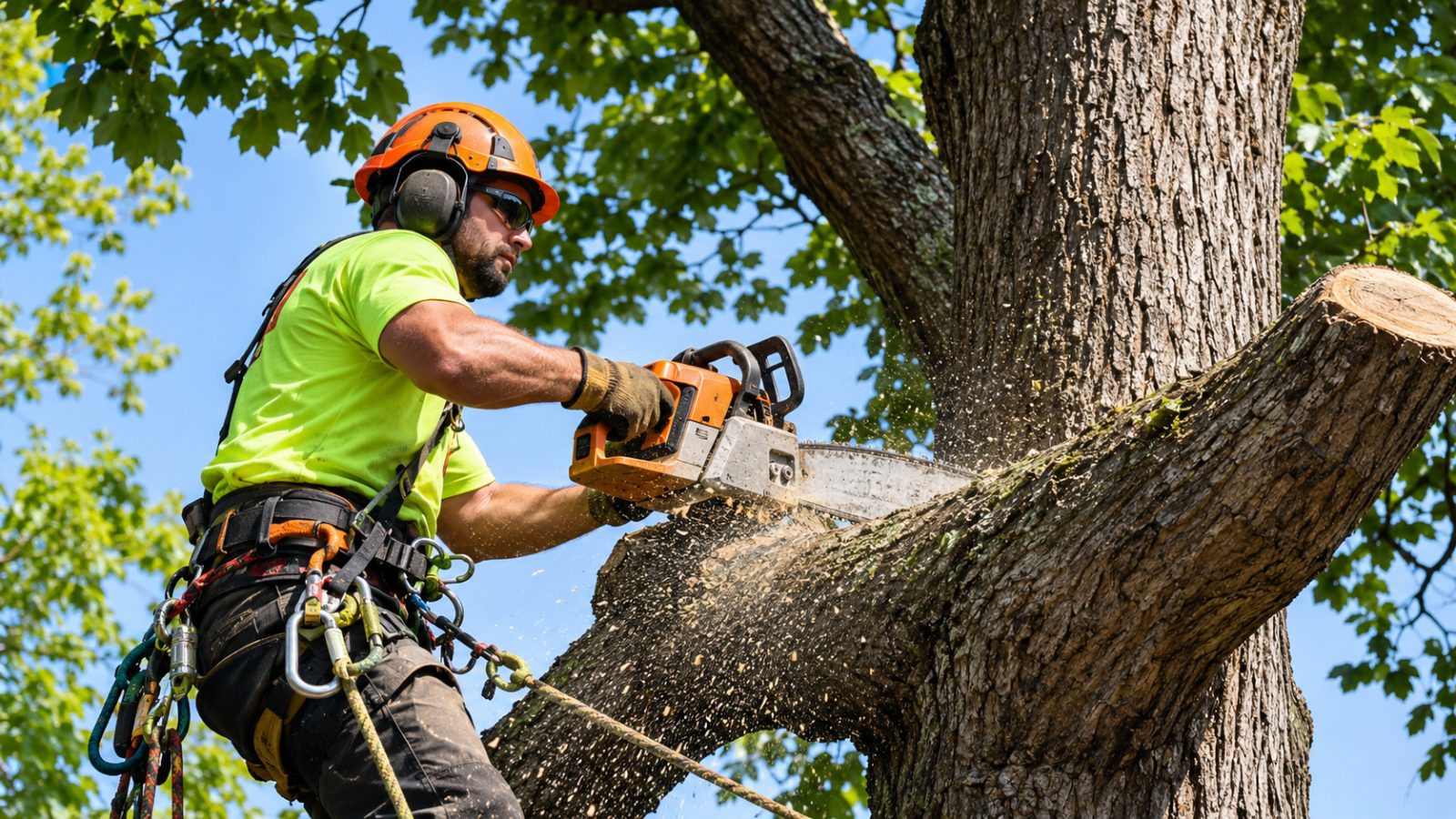
Routine tree removal may involve a tree that has outgrown its space, become unhealthy, or needs to be cleared for a property improvement. The work can include cutting branches, removing trunk sections, managing debris, and clearing the immediate work area. The approach depends on the tree's size, condition, and surroundings.
A broken trunk, fallen tree, or hanging limb can create a situation that needs prompt attention. Emergency work begins with identifying immediate hazards and determining whether the area is safe to enter. When trees involve electrical lines, utility providers and emergency responders may need to make the site safe before removal can begin.
Mature trees can weigh many tons and may extend over roofs, garages, fences, and neighboring property. Large tree removal often requires a staged approach, specialized equipment, and careful control of individual sections. We consider access, nearby structures, ground conditions, and the space available for lowering material.
Dead limbs, trunk cavities, fungal decay, significant lean, and damaged root systems can all raise concerns about tree stability. Not every leaning tree is dangerous, and not every unhealthy tree must be removed. We focus on observable conditions and recommend further assessment by a qualified arborist when the risk is uncertain.
Strong winds and thunderstorms can leave branches scattered across a yard or trees resting against buildings. Cleanup involves more than collecting debris. Broken wood may be under tension, hanging limbs may remain overhead, and root plates can move unexpectedly. We prioritize identifying those hazards before clearing damaged material.
Where adequate space and safe conditions allow, a tree may be felled in a planned direction. In tighter residential settings, sectional removal may be more appropriate. The method is selected around the tree's condition, surrounding obstacles, and available working space.
Homeowners often contact us because a tree has become too large for the yard or because branches are getting close to a roof. Rental property owners may need to address a dead tree before tenants move in, while commercial property managers may be concerned about trees near parking areas, entrances, or buildings.
We take those different needs into account. A residential project may call for extra attention around landscaping, play areas, and fences. A commercial job may require planning around parked vehicles, pedestrian access, and operating hours. The goal is to organize the removal around the site rather than treat every tree the same way.
The first step is learning why you want the tree removed. We consider its size, visible condition, location, nearby structures, and access for workers and equipment. Photos can be useful for an initial conversation, although some jobs require an on-site assessment before a reliable scope or estimate can be provided.
A tree in an open area may be suitable for directional felling. A tree surrounded by buildings or other obstacles may need to be dismantled in smaller pieces. Certain situations may call for climbing, rigging, aerial equipment, or other specialized methods. We discuss the proposed approach and any access requirements before scheduling the work.
Tree removal can affect lawns, gardens, driveways, fences, and nearby structures. We identify practical precautions and explain any unavoidable limitations. Heavy equipment, falling debris, and ground conditions all need consideration, particularly after prolonged rain or storms.
Cleanup expectations should be clear before work starts. Depending on the agreed scope, material may be cut into manageable pieces, stacked, chipped, or hauled away. Stump grinding and removal of underground roots are separate activities unless specifically included in an estimate.
Our primary service area is Evansville, Indiana. We also serve Newburgh, Boonville, Chandler, Mount Vernon, and Henderson, Kentucky. The region includes older residential neighborhoods, rural properties, riverfront areas, and newer developments, each with its own tree removal challenges.
In Evansville, properties around established neighborhoods may have mature trees close to homes and detached garages. Newburgh includes both older areas and newer subdivisions where access and neighboring properties can influence removal methods. Boonville and Chandler have a mix of residential lots and more open properties, while Mount Vernon and Henderson include settings where storm exposure and mature shade trees can be important considerations.
Being familiar with the region means understanding that local tree work is shaped by changing weather, seasonal ground conditions, property access, and the mix of tree species found throughout southwestern Indiana and western Kentucky. We use that context when discussing the work, while evaluating each tree individually.
A tree does not need to fall before it becomes a concern. Large dead branches, significant trunk damage, sudden changes in lean, soil lifting around roots, and visible decay may justify an assessment. A tree growing too close to a structure or interfering with planned construction may also be a candidate for removal.
Some conditions can be managed through pruning, monitoring, or other tree care instead. If preservation is important, an independent assessment by a qualified arborist can help clarify your options. We believe removal decisions should be based on the actual condition of the tree and the property owner's needs, not pressure to approve unnecessary work.
The cost of removing a tree depends on more than height. Diameter, species, branch structure, condition, access, proximity to buildings, equipment requirements, and debris disposal can all affect the work involved. A smaller tree leaning over a roof may be more complicated than a taller tree standing in an open field.
Emergency conditions can add difficulty because broken trees may be unstable or difficult to reach. Wet ground, narrow gates, overhead utilities, and limited space for equipment can also change the plan. We recommend getting a written estimate that identifies the removal work, cleanup arrangements, and any separate services.
Tree removal is not an everyday purchase for most homeowners. You may not know which equipment is needed, how long a job should take, or what will happen to the wood afterward. Those are reasonable questions, and they deserve practical answers.
We explain the proposed work in plain language, identify important site concerns, and encourage customers to ask about scheduling, access, debris handling, and the final condition of the work area. We also believe property owners should understand the limits of an assessment, especially when hidden decay or storm damage makes a tree unpredictable.
Whether you have a tree that has bothered you for years or a new problem after a storm, the first step is telling us what is happening. Share your location, describe the tree, and mention any buildings, power lines, or access concerns. We can then discuss an appropriate next step and what information is needed for an estimate.
See all service areas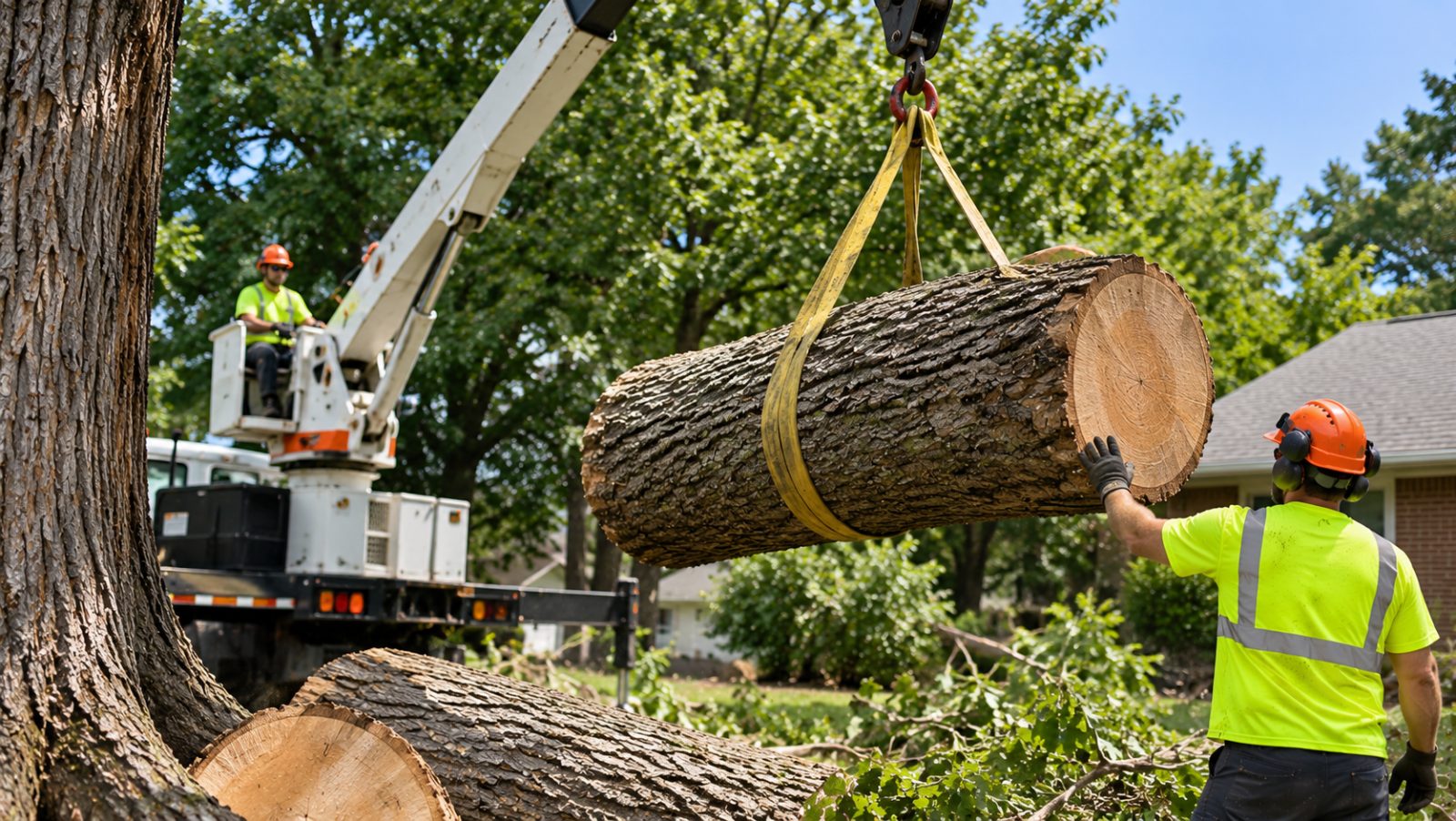
Our service offering centers on removing unwanted, damaged, and hazardous trees rather than trying to cover every landscaping task.
We consider access, structures, utilities, ground conditions, and cleanup needs before recommending a removal approach.
We explain the proposed work in everyday language so you can understand the scope and ask questions.
We focus on Evansville and nearby Tri-State communities, including parts of southwestern Indiana and western Kentucky.
We discuss what happens to branches, logs, and other debris so the agreed scope is understood before work begins.
Pricing depends on the tree's size, condition, location, and how difficult it is to access. Trees close to buildings or utility lines may require additional planning and equipment. A property-specific estimate is the best way to understand the expected cost.
Trees close to homes often require controlled sectional removal rather than cutting the entire tree down at once. The appropriate method depends on the tree's stability, available working space, and nearby obstacles. An assessment is needed before deciding how the work should proceed.
Keep people and pets away from the damaged tree and any hanging branches. If electrical lines are involved, stay clear and contact the utility provider or emergency services. Once the area is safe, contact us to discuss cleanup and removal.
Our stated service area includes Evansville, Newburgh, Boonville, Chandler, Mount Vernon, and Henderson, Kentucky. Tell us where the property is located when requesting an estimate. Scheduling and project availability can be discussed for your address.
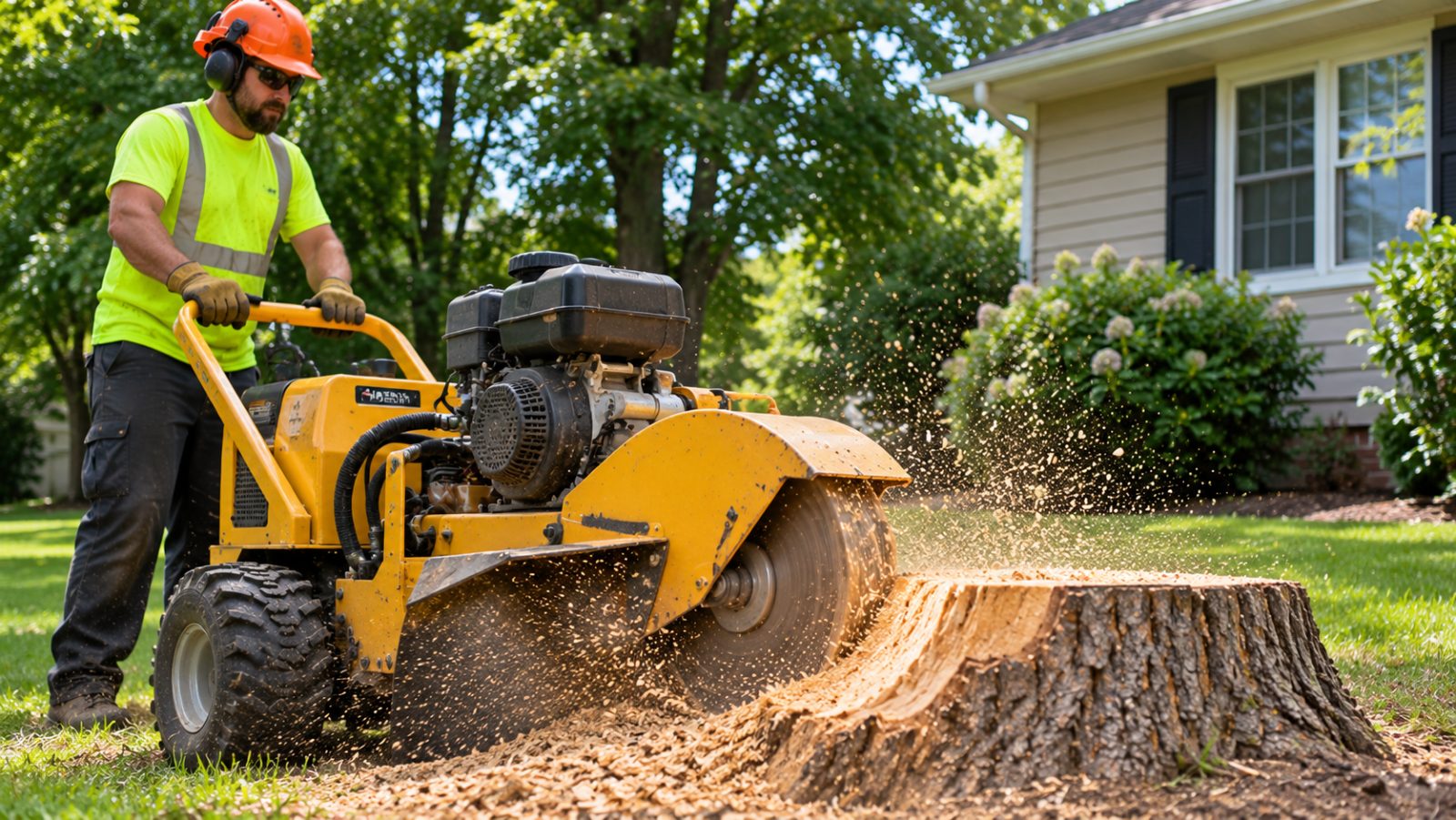
Removing a tree does not automatically mean removing the stump or underground roots. Stump grinding should be discussed as a separate item unless it is specifically included in the written scope. We recommend confirming debris and stump arrangements before work starts.
Tell us about the tree, where it is located, and what concerns you. Request an estimate or call 8124547532.
Free — no obligations