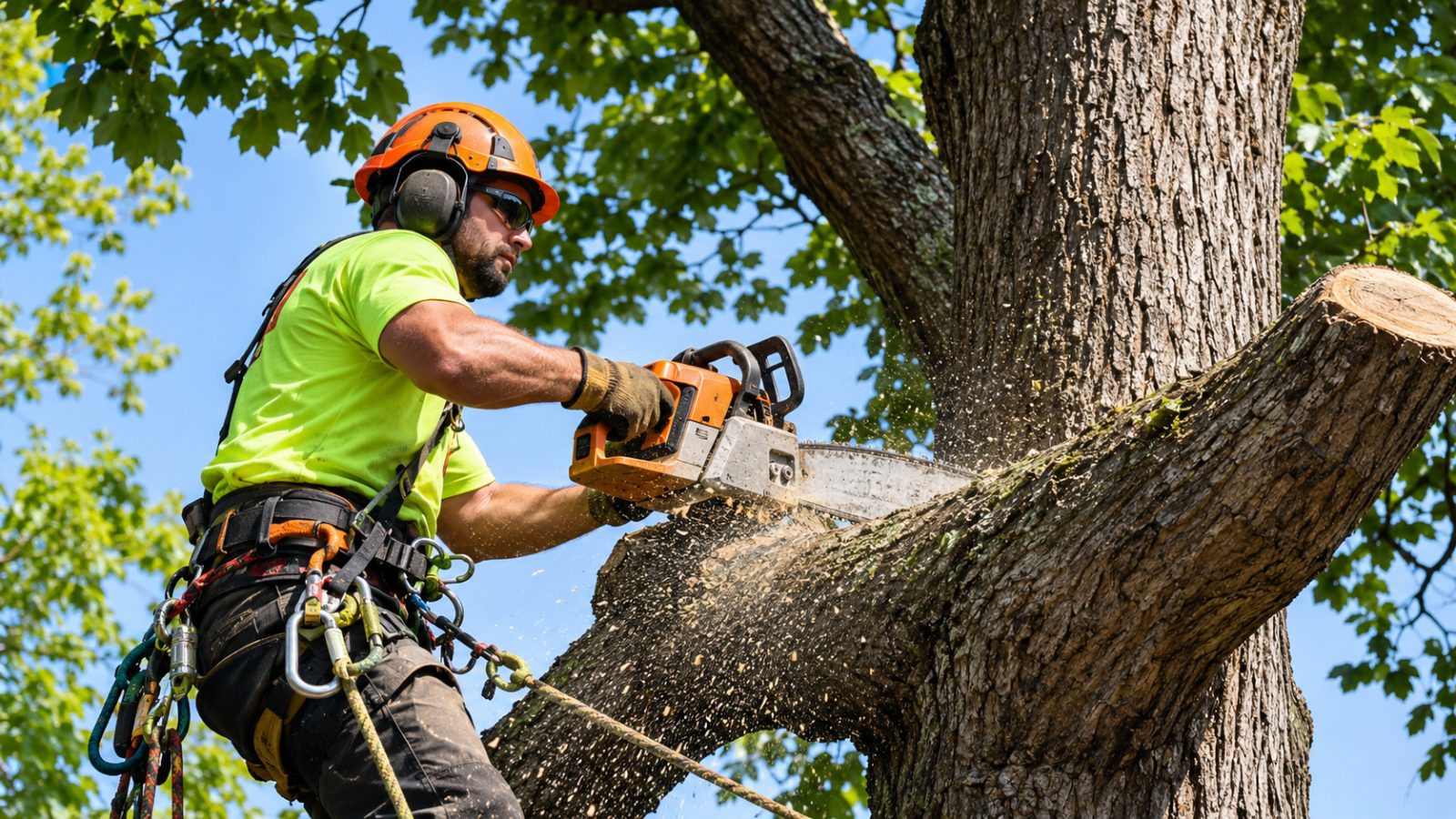
Dead and Potentially Dangerous Trees
Hazardous Tree Removal in Evansville, IN
Concerned about an unsafe tree? Describe the problem. Get a Free Estimate
Dead and Potentially Dangerous Trees
Concerned about an unsafe tree? Describe the problem. Get a Free Estimate
A tree with serious decay, storm damage, or structural defects may present a risk to nearby people and property. Evansville Tree Removal Services helps property owners discuss concerning trees and the practical steps involved in removal when it is appropriate.
Not every tree with a lean or dead branch needs to be removed. Risk depends on the tree's condition, the likelihood of failure, and what could be affected if a failure occurs. A qualified arborist may be needed for a detailed tree risk assessment, especially when the condition is uncertain.
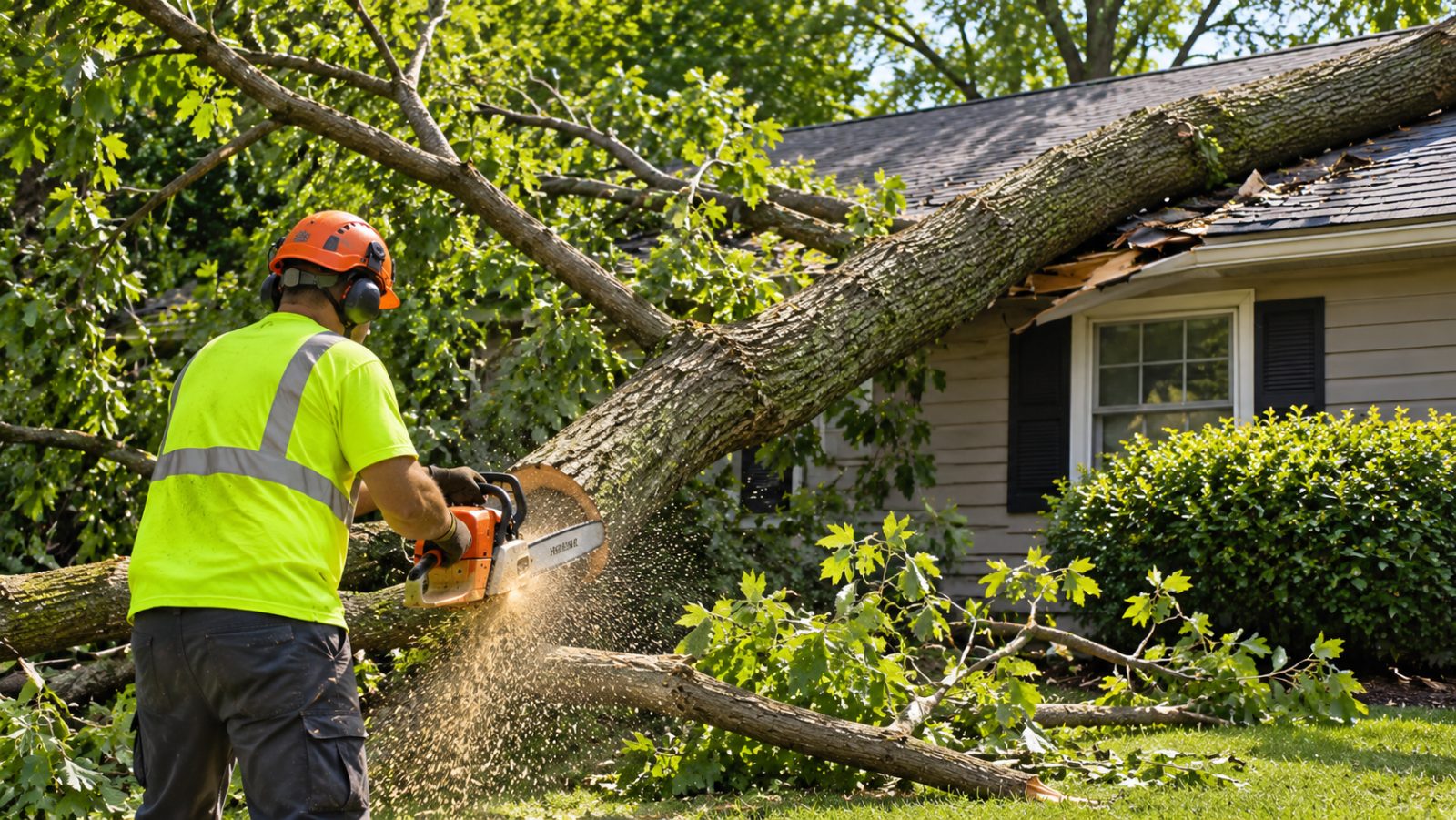
## Dead or Dying Trees Dead branches, extensive canopy decline, and deteriorating wood may indicate that a tree needs closer attention. The cause and extent of decline should be considered before deciding on removal. ## Cracks and Structural Damage Large cracks, split trunks, and broken major limbs can affect a tree's stability. These conditions may become more concerning after storms or when damage occurs near the base of the tree. ## Root and Soil Movement New soil lifting, exposed roots, or a sudden change in tree lean may indicate movement in the root system. Keep clear of a tree showing signs of active instability. ## Decay and Cavities Fungal growth, cavities, and soft wood may indicate decay, but their significance varies. The location and extent of the defect matter more than appearance alone. ## Choosing a Safe Response We discuss the visible concerns and whether removal planning or additional professional assessment is appropriate. If a tree presents an immediate danger, keep people away and contact the appropriate emergency or utility services when necessary.
Dead trees can lose structural strength over time. Removal methods must account for brittle branches and deteriorated wood.
Some trees naturally grow at an angle, while a sudden lean may indicate instability. The history and condition of the tree help determine the concern.
Splits, cavities, and major wounds can affect tree structure. A closer assessment may be necessary before work begins.
Storms can damage roots, trunks, and major branches even when a tree remains standing. The extent of damage influences removal planning.
| Service | Estimated Cost | Average |
|---|---|---|
| Dead tree removal | Site-specific quote | Varies |
| Structurally damaged tree | Site-specific quote | Varies |
| Tree near occupied structure | Site-specific quote | Varies |
Hazardous conditions may affect equipment choices, working methods, and project costs. Estimates require an assessment of the specific site.
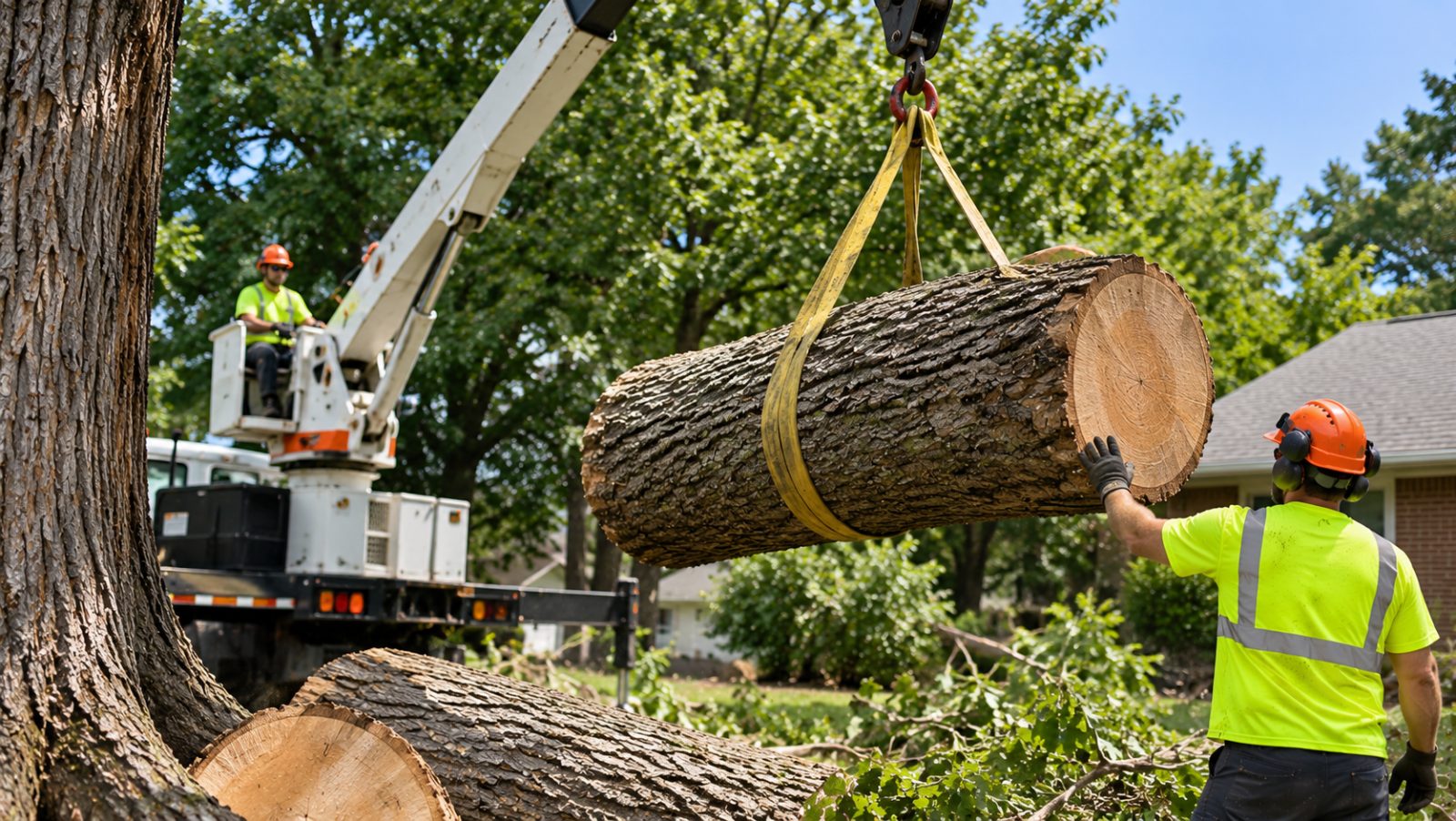
We consider how visible defects and nearby targets may affect the removal approach.
We explain why a particular removal method may be appropriate and where further assessment is needed.
We account for nearby structures, access, and the potential movement of unstable material.
Do not wait beneath an unstable tree. Contact us to discuss the concern.
Free — no obligations
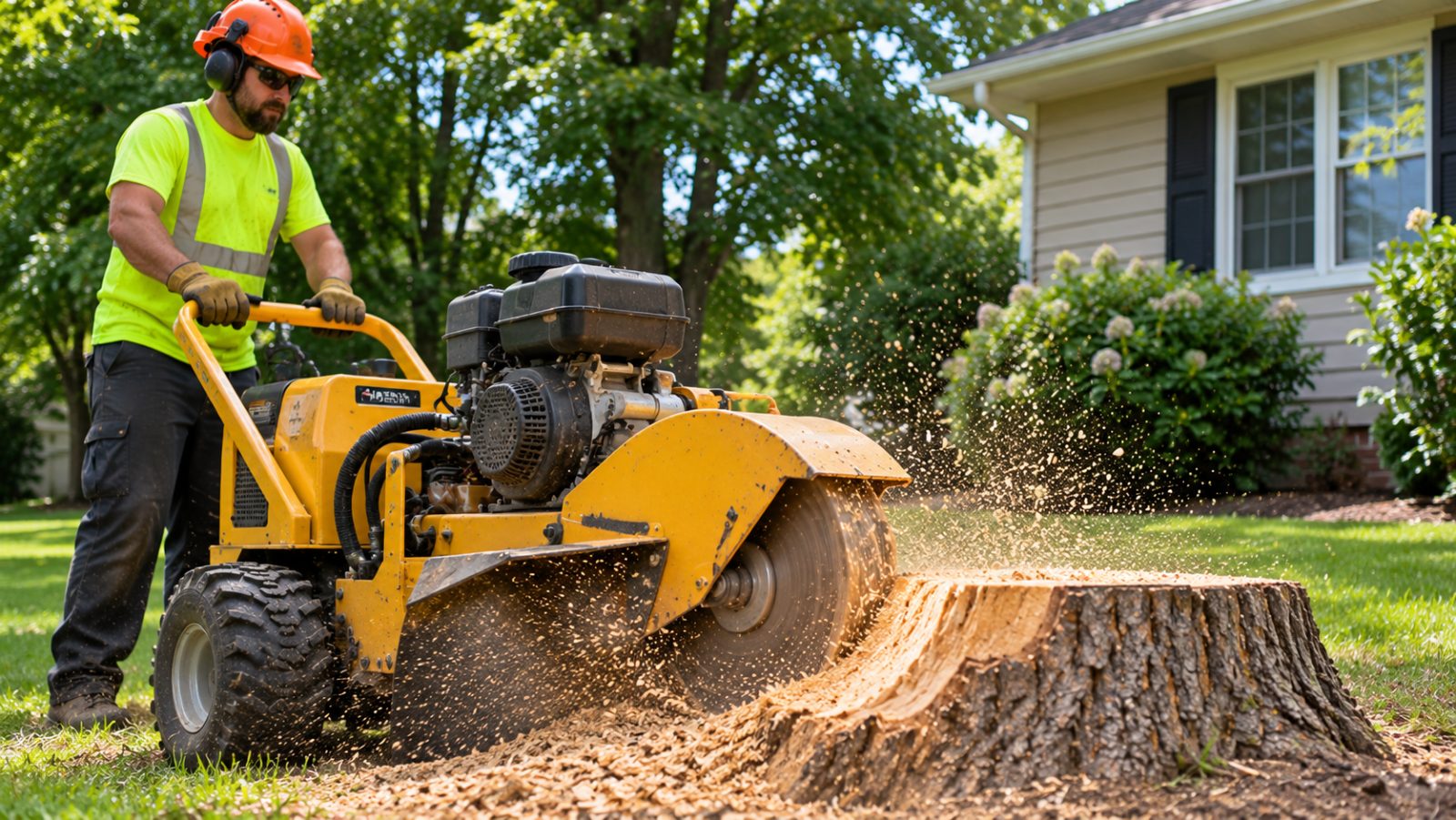
Tell us about cracks, dead branches, sudden leaning, root movement, or recent damage.
We consider nearby buildings, pedestrian areas, utilities, and access.
We discuss removal planning or additional assessment when the condition requires specialist evaluation.
The removal method and scope are established around the identified site conditions.